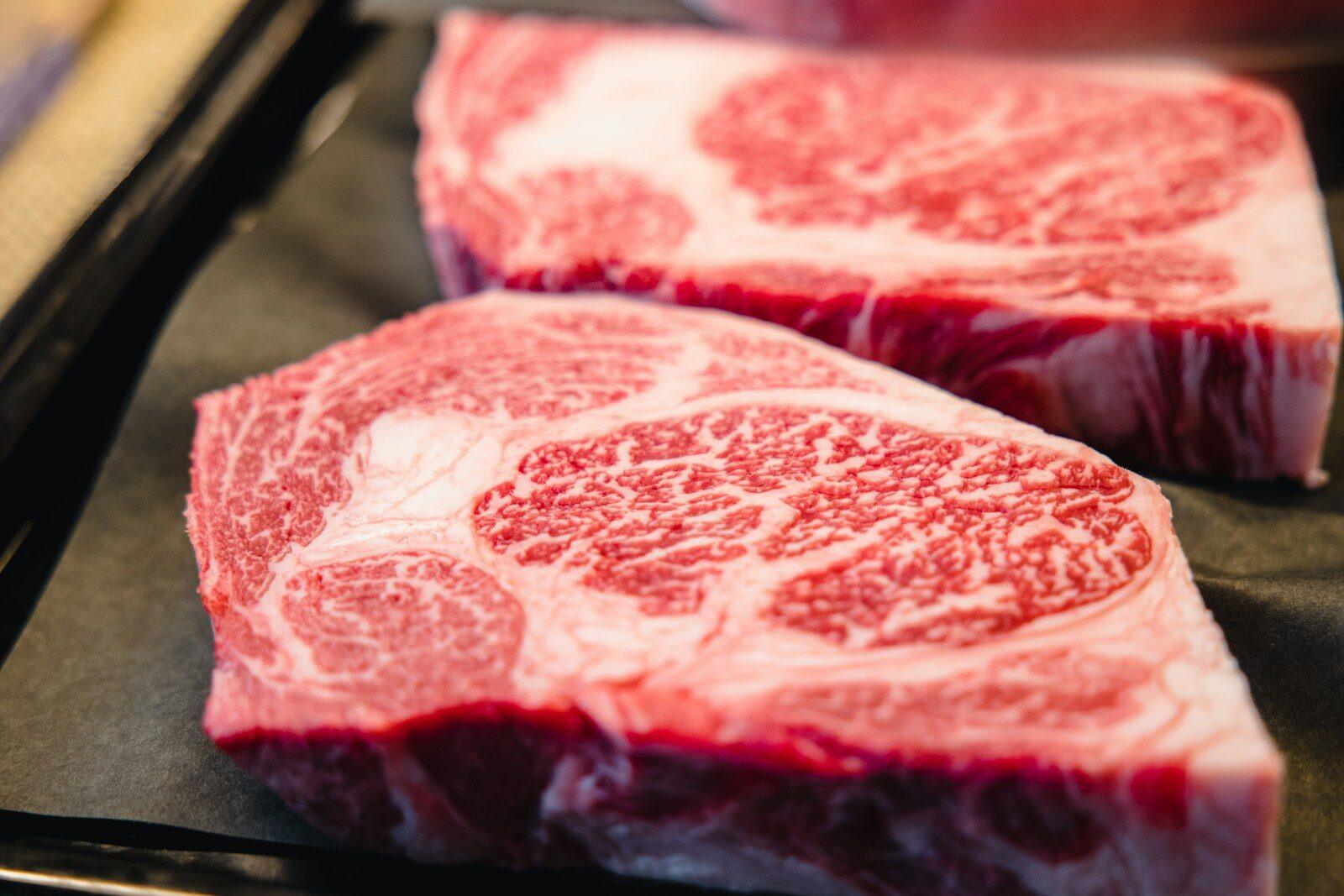
Is meat in Japan halal? Ordinary meat in Japan is not: there’s no national halal slaughter standard, regular supermarkets generally don’t stock halal products, and much of the halal meat sold in the country is imported. To eat halal meat in Japan, you’ll want a restaurant or shop that names its halal certifier, or a halal grocery.
That includes wagyu. A small number of Japanese plants now produce halal-certified wagyu, and several restaurants in Tokyo and Kyoto serve it. Below are the facts, how to read a certificate, and where schools of thought differ.
Checked November 2026
At a glance
- Ordinary Japanese meat: not halal slaughtered. Supermarket beef, chicken and lamb aren’t labeled halal.
- No national standard: JNTO says there’s no central agency for halal accreditation in Japan. Private bodies certify.
- Imported halal meat: Australian beef and lamb and Brazilian chicken are among the main sources, sold at halal grocers.
- Halal wagyu: it exists, but it’s rare. A Miyazaki plant was reported in 2025 to be certified by Japan Islamic Trust, and a few restaurants name their certifier.
- How to check: look for the certifier’s name, what the certificate covers, the branch name and the expiry date.
- Seafood: the usual fallback, but check sauces and broths, and note that schools differ on some sea creatures.
Is meat in Japan halal? What the facts say
Halal meat depends on how the animal is slaughtered and handled, not on the breed or the country. Japan’s ordinary meat supply isn’t set up for halal slaughter, and Japan has no government halal system. JNTO, the national tourism organization, puts it plainly: there is no central agency for halal accreditation, regular supermarkets generally don’t stock halal products, and halal-certified groceries are mainly frozen meat and spices.
So the beef in a supermarket pack, the chicken on a yakitori skewer, or the meat in a konbini bento is not halal unless a certifier says so. Even the allergen line on a pack won’t help much: in Japan, beef (牛肉), chicken (鶏肉) and pork (豚肉) are only recommended allergen items, not mandatory ones, so a missing word in the bracket doesn’t prove anything. Our Japanese food label guide explains the kanji.
Where does halal meat in Japan come from?
Much of it is imported. Nippon.com reported back in 2014 that most halal meat products available in Japan were imported, and a February 2025 analysis by the Australian Institute of International Affairs describes the supply today:
- Beef and lamb: Australia is a key supplier of halal-certified meat. Japan is Australia’s second-largest beef export market after the US, and Australian halal beef is sold in halal supermarkets such as Bongo Bazar and Green Nasco.
- Chicken: Brazil is a major supplier of halal chicken, with Turkey and Thailand also in the market.
- A caution: the same analysis notes that many people assume Australian meat sold in regular Japanese shops is halal-certified. Not all of it is, so check for a halal mark on the pack, not the country of origin.
If you’re self-catering, halal grocers and the halal market at Tokyo Camii are your best bets. A hotel or apartment with a kitchen makes this much easier with kids. Some Tokyo hotel groups lend halal cookware.
Is there halal slaughter in Japan?
Yes, but only at a few places, mostly aimed at export:
- SE Meat Miyazaki got halal certification from the Tokyo-based Japan Islamic Trust for its processing plant in Saito, Miyazaki Prefecture, and hired Muslim workers for the halal line. Its first shipment, 150 kg of frozen beef, went to Qatar in early 2025, according to Nikkei Asia as reported by Arab News Japan (April 2025). The same report says there are relatively few halal-certified wagyu exporters. We found no newer report, so check the plant’s current status if it matters to you.
- A Kobe abattoir described in October 2026 as one of the few halal-compliant abattoirs in Japan uses Muslim workers holding halal processing licenses from the governments of Indonesia and Malaysia (Asia News Network). The report doesn’t name its certifier.
For travelers, this matters because it’s the source of the halal wagyu now served in a handful of Japanese restaurants.
Is wagyu halal?
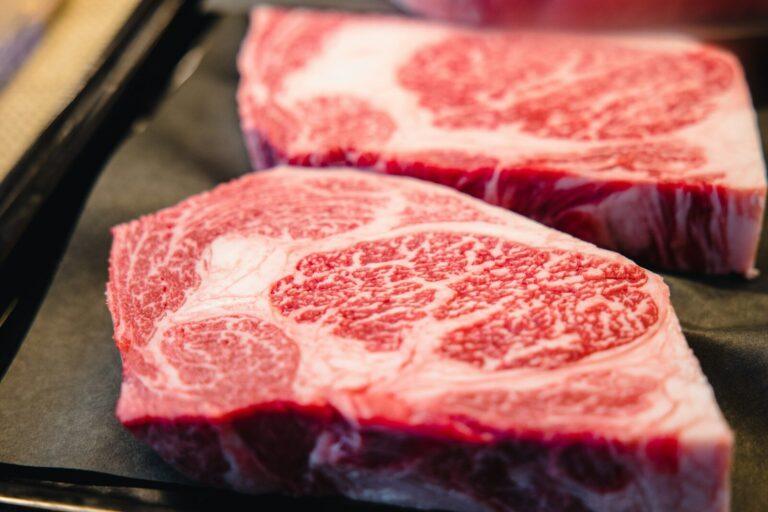
Wagyu just means Japanese cattle breeds. It’s halal only when the animal was slaughtered and handled according to a halal standard and a certifier vouches for it. Most wagyu in Japan isn’t, but certified halal wagyu exists. Places where a certifier or an official scheme is named:
- 🟢 GINZA THE EMPEROR, Tokyo: certified by the Japan Halal Foundation, serving halal Kobe (Tajima) beef, with additive-free, alcohol-free seasonings, according to its official site.
- 🟢 Halal A5 Wagyu Yakiniku Sudaku Kyoto: certified by the Kyoto Council for Sharia and Halal Affairs and listed by Kyoto City Tourism. Alcohol is served to other diners.
- 🟡 Hotel Chinzanso Tokyo: its halal-friendly kaiseki course at Ryotei Kinsui uses halal-certified Japanese beef, though the hotel says it isn’t fully halal certified, the kitchen is shared, and alcohol is served to other diners.
Many more restaurants say they serve halal wagyu without naming a certifier, such as the Shinjuku-tei chain, which says all its food is 100% halal with no pork or alcohol. We mark those 🟡 Muslim-friendly. Our halal food in Tokyo, Kyoto and Osaka guides list them by area.
How to spot a real halal certificate in Japan
Signs saying “halal” or “Muslim-friendly” are everywhere, and they mean different things. When you see a certificate on the wall or a logo on a menu, check five things:
- The certifier’s name. Not just the word halal. Bodies recognized by Malaysia’s JAKIM, according to JETRO (2026), include Japan Halal Foundation, Muslim Professional Japan Association, Japan Muslim Association, Japan Halal Association, Nippon Asia Halal Association (NAHA) and Japan Islamic Trust. Other local schemes exist, such as Kyoto’s Muslim Friendly scheme.
- What it covers. The whole restaurant, one menu, or just the meat? “Halal meat used” isn’t the same as a certified kitchen.
- The branch. Certificates name a specific shop. A chain can have certified and non-certified branches.
- The date. Certificates expire and are renewed. Check that it’s current.
- Alcohol and pork on site. A certified menu can come from a restaurant that still serves alcohol or pork to others. Ask if that matters to you.
Kyoto’s official scheme shows why the wording matters. Kyoto City Tourism uses four labels: Halal (only halal food), Muslim Friendly (a special halal menu, while the regular menu may include non-halal meat), Muslim Welcome (no pork or alcohol-based flavoring on the premises, but no halal menu) and Pork-Free (no pork or meat, but alcohol-based flavoring may be used).
Useful phrase to show staff: このお肉はハラール認証されていますか? (Kono oniku wa harāru ninshō sarete imasu ka?) means “Is this meat halal certified?”
Halal Japan Food Survival Kit
Our printable kit has a card that asks, in polite Japanese, whether the meat is halal certified, plus a label decoder for 牛肉, 鶏肉, エキス and ゼラチン, so you can check menus and packs yourself. Get the kit on Etsy.
Where schools of thought differ
We share facts, not rulings. These are the questions where Muslim scholars and families reach different conclusions, so talk to a scholar you trust if you’re unsure:
- Meat not slaughtered by a Muslim. Some follow opinions that allow meat of the People of the Book under conditions, while others eat only zabiha meat. Japan’s ordinary supply isn’t set up as either, which is why halal restaurants buy certified meat.
- Stunning and machine slaughter. Certifiers and scholars set different rules, so two certified products can follow different standards.
- Shared kitchens. A certified menu from a kitchen that also cooks pork, like Hotel Chinzanso’s, works for some families and not others.
- Hidden animal ingredients. Gelatin (ゼラチン), lard (ラード) and meat extracts (エキス) turn up in breads, snacks and sauces. JNTO also warns about mirin and cooking sake in Japanese dishes.
- Seafood. Most families treat fish as the easy option, but views differ on some other sea creatures, and sauces can still contain mirin or cooking sake.
What to eat if you can’t find halal meat
- Seafood and vegetable dishes, after checking sauces and broths.
- Simple konbini rice balls such as salmon, kombu or plain salted, after reading the label. Read the full ingredient line.
- Halal-certified chains and shops listed in our city guides.
- Fast food: check our McDonald’s and KFC in Japan guide first. McDonald’s Japan fries in a beef tallow blend.
Questions people ask
Is meat in Japan halal?
Ordinary meat in Japan isn’t halal slaughtered, and JNTO says there’s no central agency for halal accreditation. Eat meat only where a restaurant or shop names its halal certifier, or buy from a halal grocer.
Is wagyu halal?
Only when it’s certified. Wagyu is a breed, and most wagyu in Japan isn’t halal slaughtered. Certified halal wagyu exists: SE Meat Miyazaki’s plant was reported in 2025 to be certified by Japan Islamic Trust, and GINZA THE EMPEROR in Tokyo serves halal Kobe beef certified by the Japan Halal Foundation.
Is Kobe beef halal?
Not usually. Halal Kobe (Tajima) beef exists but is rare. GINZA THE EMPEROR in Tokyo says its halal Kobe beef is certified by the Japan Halal Foundation. Ask any other restaurant to name its certifier.
Is chicken in Japan halal?
Regular chicken in Japan isn’t halal slaughtered. Much halal chicken is imported, with Brazil a major supplier. Look for a certified restaurant or a halal mark on the pack.
Can I buy halal meat in Japan?
Yes, at halal grocers, such as the cluster of halal shops around Shin-Okubo in Tokyo, and at the halal market at Tokyo Camii. Check opening hours before you go. Regular supermarkets generally don’t stock halal products, according to JNTO.
We track new halal certifications in Japan and send updates to subscribers first. Join the Japan Explorers newsletter.