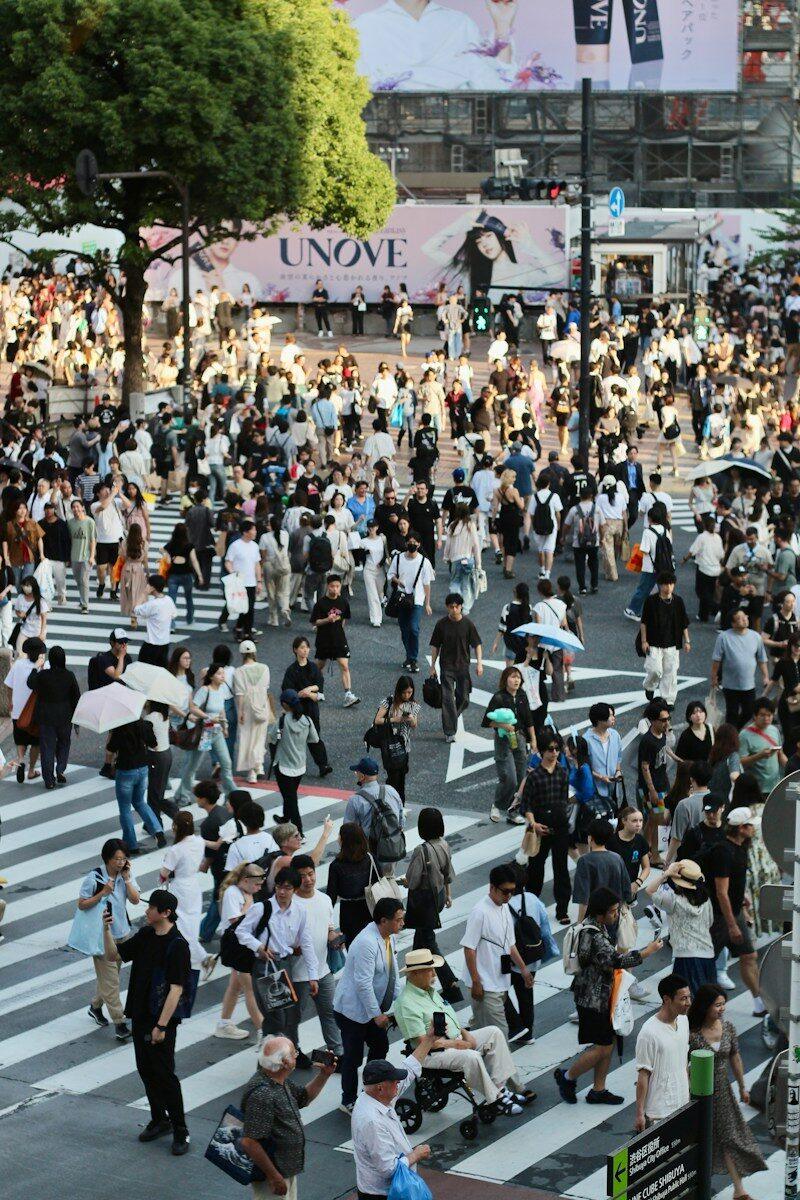
Yes, Japan is Muslim friendly in the ways that matter most to a visiting family: it’s safe, people are polite, and halal food and prayer rooms are now easy to find in Tokyo, Osaka and Kyoto. It isn’t effortless, though. Outside the big cities halal meals get scarce, alcohol and pork hide in everyday seasonings, and you’ll plan prayers around a day out rather than find a masjid on every corner.
This guide is the honest 2027 version: what the rankings say, what’s easy, what’s hard, and how we’d plan a trip with kids.
Checked November 2026
At a glance
- Ranking: Japan is 7th among non-OIC destinations and 36th of 150 overall in the 2026 Global Muslim Travel Index, up from 44th.
- Easy: safety, politeness, airport prayer rooms, a growing list of certified restaurants in Tokyo, Osaka and Kyoto.
- Hard: rural food, mirin and sake in sauces, gelatin and lard in snacks, and no single national halal authority.
- Best for first-timers: Tokyo plus Osaka, with a kitchenette room and a few restaurant bookings made ahead.
- Pack: a prayer mat, a qibla app that works offline, snacks from home for travel days.
Is Japan Muslim friendly in 2027? What the rankings say
The clearest outside measure is the Mastercard-CrescentRating Global Muslim Travel Index (GMTI). In the 2026 edition, Japan ranks 36th of 150 destinations overall, up from 44th in 2025, according to CrescentRating’s Japan profile. Among destinations outside the Organisation of Islamic Cooperation (OIC), Japan sits 7th, tied with Germany and Spain, up from 14th the year before, as reported by the Japanese inbound-travel outlet honichi. Singapore stays first among non-OIC destinations.
That’s a real jump, and you can see why on the ground: more halal-certified kitchens in the big cities and prayer rooms at the main airports. Demand is pushing it too. Japan received a record 640,577 visitors from Indonesia alone in 2025, up 23.7% on the year, according to JNTO figures reported by honichi.
A ranking is an average, though. Japan scores well on safety and environment, and it’s still catching up on dedicated services. The rest of this guide is about that gap.
What’s easy for Muslim travelers in Japan?
Safety and day-to-day manners
Japan is one of the easiest places in the world to travel with children. Trains run on time, stations have elevators and clean restrooms, and nobody minds a toddler on the subway. Japan-guide sums up the general mood well: Japanese people are “generally very tolerant” of different religions, including Islam, even if understanding of the faith is limited.
Airport prayer rooms
All three main international gateways have prayer rooms, which makes arrival and departure days simple:
- Narita (Tokyo): prayer rooms in Terminals 1, 2 and 3, per the airport’s official services page.
- Haneda (Tokyo): Terminal 3 departure lobby on 3F (two rooms in the general area), plus Terminal 2’s international departure lobby and airside area, all with washing facilities for wudu. Terminal 1 doesn’t have one.
- Kansai (Osaka): a room on 3F of Terminal 1 and more in the international gate area.
Our airport prayer room guide has floor maps and tips for each terminal.
Certified food in the big cities
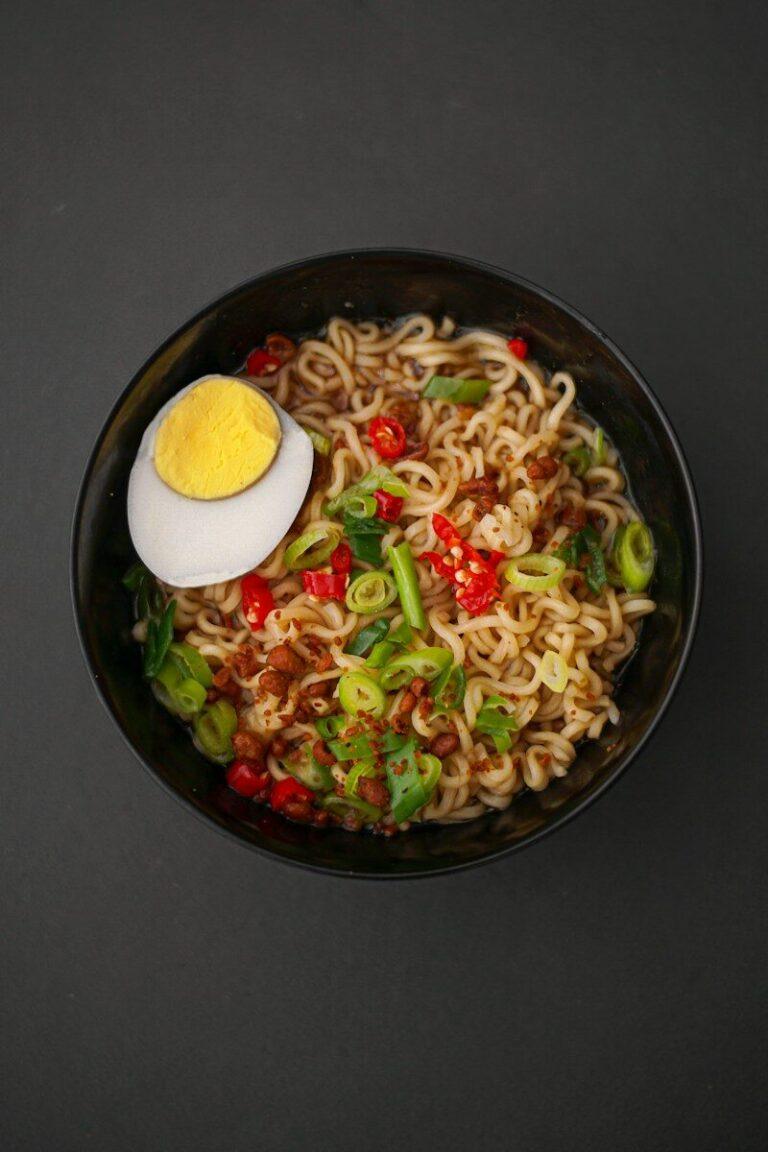
Tokyo, Osaka and Kyoto now have halal-certified ramen, wagyu, curry and Japanese set meals, plus many South Asian, Turkish and Indonesian restaurants. Halal ramen has gone from a novelty to a normal lunch: in Tokyo you can eat a certified chicken-broth bowl near Ueno or Ebisu, and Osaka’s Namba area has its own options. Our Tokyo halal food guide lists the shops we’ve checked. (One spoiler: the famous Ichiran chain isn’t halal.)
Mosques and community
Japan had 15 mosques in 1999 and 133 by April 2023, according to research cited by Nippon.com. The best known for visitors is Tokyo Camii in Shibuya, open every day from 10:00 to 18:00 with no booking needed for families or small groups. Friday prayer is at 13:00. It also has a halal shop, which is handy for snacks and frozen meat if you’re self-catering.
What’s hard about Japan for Muslim families?
No single halal authority
JNTO, Japan’s national tourism organization, says it plainly: there’s no central agency for halal accreditation. Several certifying bodies operate, standards vary, and a sticker on the door can mean anything from full certification to “we don’t use pork”. That’s why we label every place we list as one of three things:
- 🟢 Certified: the restaurant, its certifier or an official body says so, with a recent source. We name the certifier when it’s published
- 🟡 Muslim-friendly: no pork or alcohol in the dish, but no recent source confirming a certificate
- 🟠 Pork-free: no pork, but other questions remain
We also flag places that serve alcohol to other diners. Some halal restaurants do, and Japan-guide notes that some “halal” or “Muslim-friendly” places cook in shared kitchens. Schools of thought differ on what’s acceptable, so we give you the facts and leave the decision with you.
Hidden pork and alcohol
This is the big one. Japanese cooking leans on mirin and cooking sake, and JNTO notes that some miso contains alcohol unless it’s labeled 無添加 (mutenka, additive-free). Gelatin and animal fats turn up in bread, snacks and sweets. Ramen broth is very often pork-bone. Even a fish dish can be finished with a sake-based glaze. If you’ll be buying snacks, our konbini label guide teaches the handful of kanji that matter.
The countryside
Halal food is concentrated in big cities. Japan-guide warns that outside them, halal or Muslim-friendly restaurants are “even more difficult or impossible to find.” A day trip to the Japanese Alps, Hokkaido’s farms or a coastal town is absolutely doable, but bring a packed lunch or plan around one certified stop.
Prayer on a day out
Outside airports, big malls and a few hotels, prayer rooms are thin on the ground. Many families pray at the hotel before heading out, combine prayers where their school allows it, or find a quiet corner of a park. It works, but it takes a little planning each day, especially in winter when Dhuhr and Asr fall close together.
Attitudes, honestly
Most visitors meet nothing but courtesy, and that’s been our experience too. You should still know that there’s been organized local opposition to some new mosque and Muslim cemetery plans since 2025, including a proposed mosque in Fujisawa, and the issue was raised by some politicians around the 2026 elections, as East Asia Forum and Nippon.com have reported. This is a debate about residents and land use, not tourists, and we found no reporting of visitors being targeted. If someone stares at a hijab in a small town, it’s usually curiosity.
Which part of Japan is most Muslim friendly?
| Area | Halal food | Prayer options | Family verdict |
|---|---|---|---|
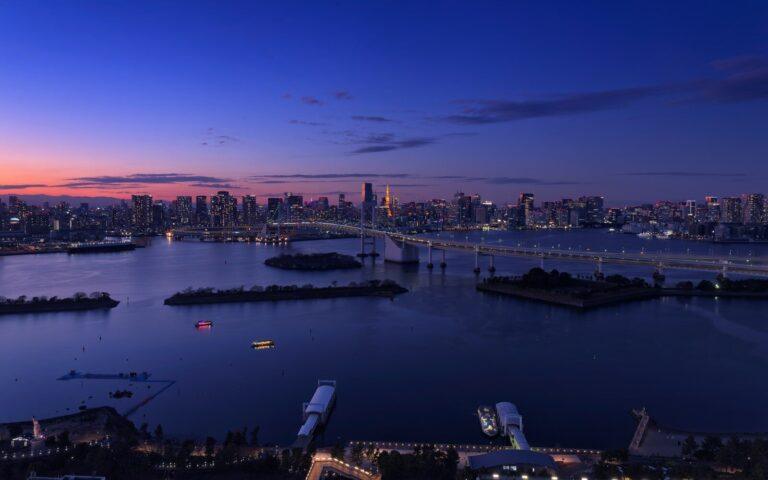
| Tokyo | Widest choice, including certified ramen and wagyu | Airports, Tokyo Camii, malls, some hotels | Easiest start |
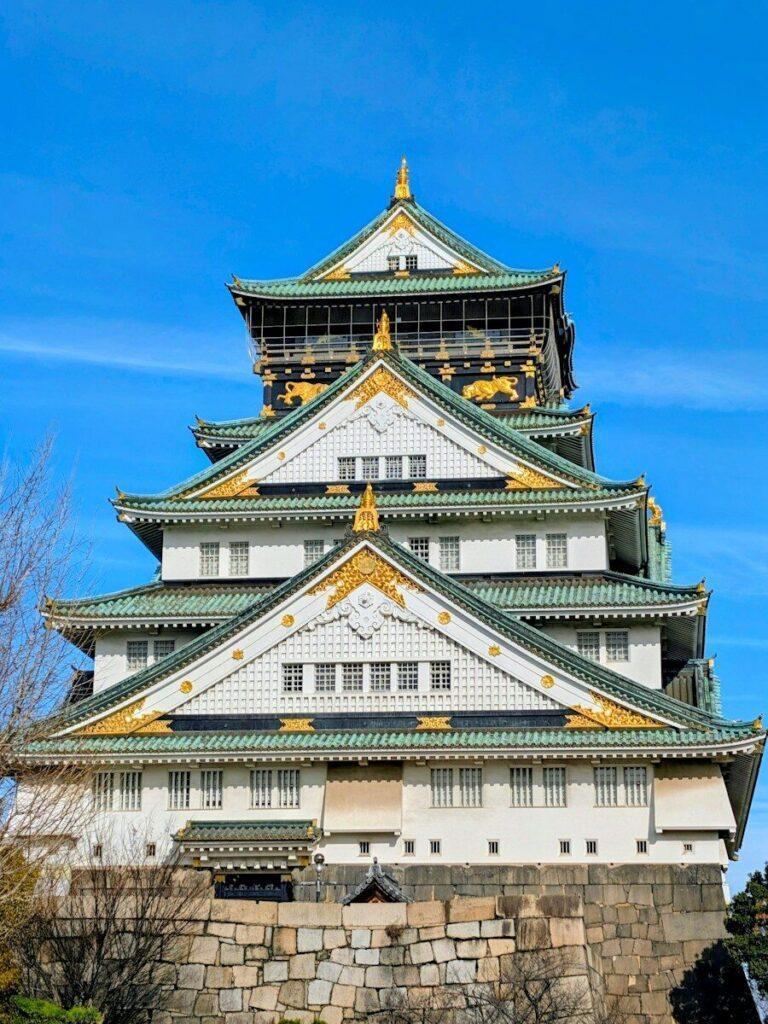
| Osaka | Good around Namba and Shinsaibashi | Kansai airport, some malls and hotels | Easy, great for food |
| Kyoto | Growing, mostly central | Limited, plan ahead | Fine for day trips or 2 nights |
| Hokkaido, rural areas | Scarce | Rare | Doable with self-catering |
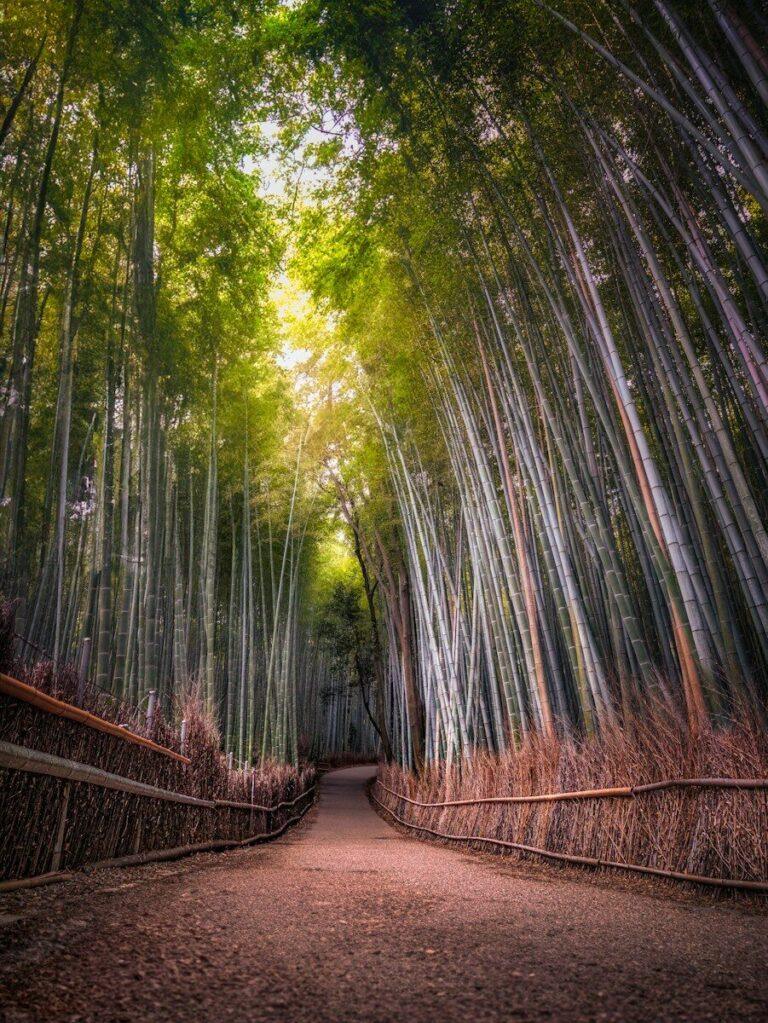
For a first trip, we’d suggest Tokyo and Osaka joined by bullet train, with Kyoto as nature and food day trips: Arashiyama’s river and bamboo paths, the Kamogawa riverside, and Nishiki Market for snacks you’ve checked.
How to plan a Muslim-friendly Japan trip
- Book a room with a kitchenette. JNTO and Japan-guide both suggest it. Breakfast and a packed lunch from your own kitchen solve half the food question, especially with picky kids.
- Reserve key restaurants ahead. Some halal restaurants need bookings “of at least a few days,” says Japan-guide. Wagyu places and weekend dinners fill first.
- Use the official tools. JNTO points to its Japan Welcome Guide for Muslim Travelers (muslimguide.jnto.go.jp) and to Halal Gourmet Japan for restaurant searches. Apps like Halal Navi help too, but listings age, so check a shop’s own site before you go.
- Learn five label words. 豚 (pork), ラード (lard), ゼラチン (gelatin), みりん (mirin) and 酒 or 酒精 (alcohol) will catch most problems.
- Pack for prayer. Bring a travel prayer mat and a qibla app that works offline. Japan-guide notes that prayer rugs and clothing aren’t easy to buy locally.
- Map prayer stops per day. Note the nearest airport, mall or mosque prayer room for each day’s area. Our Tokyo prayer room guide covers the main stations and shopping areas.
- Check the calendar. If you’re traveling in early 2027, read our Ramadan in Japan 2027 guide. Winter fasts in Japan are short.
Halal Japan Food Survival Kit
If label-reading sounds daunting, our printable kit has a kanji decoder for the words above and 8 phrase cards you can show at restaurants (“no pork, no alcohol, please”). Get the kit on Etsy.
Is Japan or Korea more Muslim friendly?
It’s close, and both have improved. Japan’s edge is choice: more certified restaurants in more cities, three big airports with prayer rooms, and a very easy family travel experience. For a first long-haul trip with kids, we’d pick Japan, simply because Tokyo and Osaka together give you more halal options per day.
Questions people ask
Is Japan safe for Muslim travelers?
Yes. Japan is one of the safest countries for travelers in general, and Muslim visitors, including women in hijab, rarely report problems. Some local opposition to new mosques and cemeteries has made the news since 2025, but it concerns residents and land use, not tourists.
Is it easy to find halal food in Japan?
In Tokyo, Osaka and Kyoto, yes, if you use a halal restaurant search and book ahead. Outside big cities it’s hard, so self-catering and packed lunches help. There’s no national halal authority, so check who certified a restaurant.
Are there prayer rooms in Japan?
Yes, at Narita (all three terminals), Haneda (Terminals 2 and 3) and Kansai airports, at mosques such as Tokyo Camii, and in some malls and hotels. They’re rarer at sightseeing spots, so plan each day.
Is Japan hijab friendly?
Generally, yes. You’ll see plenty of hijab in Tokyo and Osaka, where many visitors come from Indonesia and Malaysia. In smaller towns you may get curious looks, but rudeness is rare.
Where does Japan rank for Muslim travel?
In the 2026 Global Muslim Travel Index, Japan ranks 36th of 150 destinations overall and 7th among non-OIC destinations, tied with Germany and Spain.
Want new halal openings and prayer room updates before your trip? Join the Japan Explorers newsletter.
City by city: halal food in Tokyo, Osaka and Kyoto. With kids, start with our Tokyo Disneyland halal guide.