Halal konbini food in Japan is mostly a label-reading job: 7-Eleven, FamilyMart and Lawson don’t sell a halal-certified onigiri range that we could find on their official sites, so you’ll check each item’s ingredients yourself. The good news is it takes about five words of Japanese, and plenty of simple onigiri, drinks, fruit and snacks pass the check.
Here’s how to read a Japanese label in 30 seconds, the red words that mean put it back, and the categories that are usually simpler for families.
Checked November 2026
At a glance
- No certified range: we found no halal-certified onigiri line at 7-Eleven, FamilyMart or Lawson in Japan. Check every item.
- Read 原材料名 (ingredients) and the 一部に…を含む bracket. Pork and gelatin are voluntary in that bracket, so read the full list too.
- Red words: 豚, ポーク, ラード, ベーコン, ハム, チャーシュー, ゼラチン, 酒, 酒精, みりん.
- Websites aren’t enough: 7-Eleven’s product pages show only the main allergens, not pork. The pack in your hand is the real label.
- Simpler bets: plain or seaweed onigiri, fruit, boiled eggs, milk, plain bread and drinks, still label-checked.
Halal konbini Japan basics: is 7-Eleven, FamilyMart or Lawson halal?
No chain is halal as a whole. All three sell pork products, and some onigiri are pork by design: 7-Eleven sells a ポーク玉子おむすび (pork and egg rice ball) in Okinawa, and FamilyMart sells SPAM® musubi in most regions. Chicken fillings such as 鶏そぼろ (minced chicken) are common too, and that chicken isn’t zabiha unless the pack says it’s certified.
So the question isn’t “which konbini is halal?” but “which item in this konbini can my family eat?” That’s where the label comes in. Some imported snacks carry a halal logo from their home country, and that’s a fact you can read off the pack. For everything else, you’re reading Japanese.
How to read a Japanese konbini label
Turn the pack over and find the white box with small print. You need two parts of it.
1. 原材料名 (genzairyō-mei): the ingredients
This line lists every ingredient, heaviest first. A forward slash / usually separates food ingredients from additives, so anything after the slash is things like seasonings (調味料), emulsifiers (乳化剤) and preservatives. Read both halves.
2. The (一部に…を含む) bracket: the allergen summary
At the end you’ll often see something like (一部に卵・乳成分・小麦・大豆・豚肉を含む), meaning “contains in part: egg, milk, wheat, soy, pork.” The Consumer Affairs Agency’s own example label reads (一部に卵・豚肉・大豆・牛肉・さけ・さば・ゼラチンを含む). If you see 豚肉 or ゼラチン there, you have your answer.
Here’s the catch most guides miss. Under Japan’s rules, only nine allergens are mandatory: shrimp, cashew, crab, walnut, wheat, buckwheat, egg, milk and peanut. Pork, beef, chicken and gelatin are on the recommended list of 20, which means companies are encouraged, not required, to include them. Many manufacturers do, but a missing 豚肉 in the bracket isn’t proof there’s no pork. Always read the full 原材料名 as well.
The red words: put it back
| On the label | Reading | What it means |
|---|---|---|
| 豚肉, 豚, ポーク | butaniku, buta, pōku | Pork |
| ポークエキス, 豚骨 | pōku ekisu, tonkotsu | Pork extract, pork bone (common in soups and seasonings) |
| ラード, 豚脂 | rādo, tonshi | Lard, pork fat |
| ベーコン, ハム, チャーシュー, ソーセージ | bēkon, hamu, chāshū, sōsēji | Bacon, ham, roast pork, sausage |
| ゼラチン | zerachin | Gelatin, made from cattle, pig skin or fish, and the pack rarely says which |
| 酒, 料理酒, 日本酒 | sake, ryōrishu, nihonshu | Rice wine or cooking wine |
| 酒精 | shusei | Ethyl alcohol, often added as a preservative |
| みりん, 本みりん | mirin, hon-mirin | Sweet rice seasoning. Hon-mirin is around 13 to 14% alcohol |
Question marks: check or ask
These words don’t mean pork or alcohol on their own, but the source isn’t stated. How strict to be is a personal and scholarly question, and families draw the line in different places.
- 乳化剤 (emulsifier): can be soy or egg lecithin, or fatty acid esters from plant or animal fats.
- ショートニング (shortening): usually plant oil, but it started life as a lard substitute and the source isn’t always given.
- エキス (extract) on its own, such as チキンエキス or ビーフエキス: the meat isn’t zabiha unless certified.
- みりん風調味料 (mirin-style seasoning) and 発酵調味料 (fermented seasoning): low or unclear alcohol content. Schools of thought differ on trace alcohol.
- 牛肉, 鶏肉 (beef, chicken): not pork, but not zabiha unless the pack shows certification.
Halal onigiri at 7-Eleven, FamilyMart and Lawson: what to look for
We can’t tell you an onigiri is halal, because none of the three chains labels them that way. What we can do is point you to the fillings that are usually simplest to check, then you read the pack.
- 梅 (ume, pickled plum): all three chains sell one, for example Lawson’s 手巻おにぎり 熟成紀州南高梅 (¥184) and FamilyMart’s 手巻 紀州南高梅 (¥198). Check for 酒 or 酒精 in the plum seasoning.
- 昆布 (kombu, seaweed): Lawson’s 北海道産日高昆布 (¥184) and FamilyMart’s 手巻 真昆布 (¥198). Simmered fillings can include soy sauce and mirin, so check for みりん.
- 鮭 or しゃけ (salmon): such as Lawson’s 炙り熟成紅鮭 (¥211). Often a short list, but read it.
- ツナマヨネーズ (tuna mayo): the kids’ favorite. Contains egg, and the mayo and seasoning list is longer, so take a moment.
- おかか (bonito flakes): 7-Eleven’s version lists only wheat among the main allergens, which tells you about soy sauce, not about mirin or alcohol. Read the pack.
Skip or check extra carefully: anything with ポーク, SPAM®, チャーシュー, 焼肉 (grilled meat), 鶏 (chicken) or 牛 (beef), and mixed-rice or fried-rice onigiri, which have longer lists that can include meat extracts.
One more practical tip: don’t rely on the chain websites. A 7-Eleven product page shows only the mandatory allergens, such as 小麦 (wheat) for its okaka onigiri, plus nutrition. It doesn’t list pork or alcohol. Recipes and line-ups also change weekly, so the label on the pack is the only one that counts.
Halal Japan Food Survival Kit
Want the red words on a card you can hold next to the shelf? The kit’s label decoder is phone-sized, plus 8 phrase cards for restaurants and hotel breakfasts. Get the kit on Etsy.
Generally simpler konbini picks for families
Simpler doesn’t mean halal. It means fewer ingredients, so the label takes ten seconds instead of two minutes.
| Category | Why it’s simpler | Still check for |
|---|---|---|
| Bananas, cut fruit | Single ingredient | Syrup in fruit cups |
| Boiled eggs (ゆでたまご) | Egg and salt | Seasoned versions (味付け) may use mirin or sake |
| Milk, plain yogurt | Short lists | ゼラチン in some yogurts and puddings |
| Plain onigiri (塩むすび), seaweed or plum | Rice, salt, nori, one filling | 酒, 酒精, みりん |
| Water, tea, juice | No meat ingredients | Very little, but sports drinks vary |
| Plain bread rolls | Flour, yeast, sugar | ショートニング, 乳化剤, lard in some breads |
| Rice crackers (senbei), nuts | Usually soy and salt based | みりん in sweet soy glazes, 豚 in some flavors |
Usually avoid with kids
- Gummies and jelly sweets: most use ゼラチン. Look for ones set with pectin or agar (寒天) instead.
- Hot counter food: fried chicken, croquettes and meat buns (肉まん) share a counter, and the standard 肉まん filling is pork.
- Oden: the simmering pot holds fish cakes, eggs and meat items such as beef tendon skewers (牛すじ) in one shared broth.
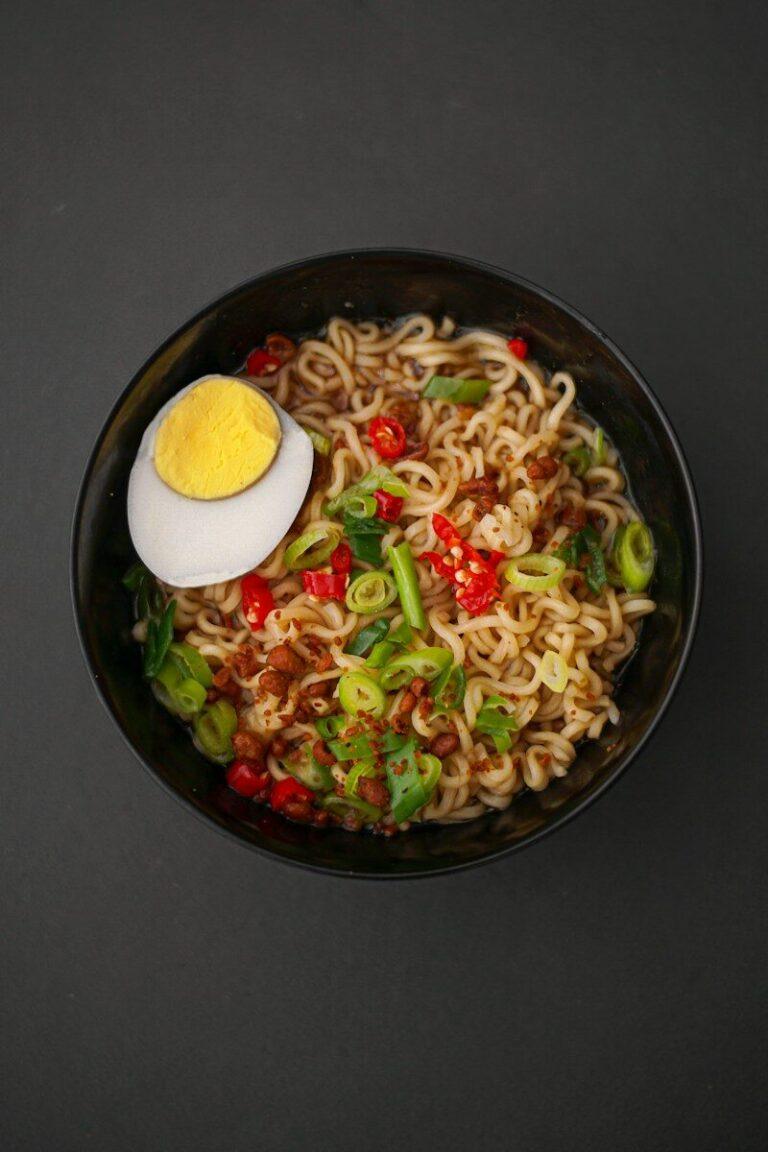
- Instant ramen: broths often contain ポークエキス. Even Ichiran’s souvenir pack lists pork, as our Ichiran guide explains.
- Miso soup cups: JNTO notes some miso contains alcohol unless it’s labeled 無添加 (additive-free).
A 2-minute routine at the shelf
- Scan the product name for the red words first (ポーク, 豚, チャーシュー, 焼豚).
- Turn it over and find 原材料名.
- Read the bracket at the end for 豚肉 or ゼラチン.
- Read the full list for ラード, エキス, 酒, 酒精 and みりん.
- Not sure? Put it back. There’ll be another option on the next shelf.
Translation apps that read text through the camera help a lot, but they can garble small print. Use them to speed things up, then check the key words yourself.
If you’re still deciding where to go, our Is Japan Muslim friendly? guide covers food, prayer and planning, and our halal food in Tokyo guide lists sit-down meals for days when the konbini won’t cut it.
Questions people ask
Is 7-Eleven onigiri halal in Japan?
7-Eleven Japan doesn’t label any onigiri as halal certified. Some fillings, like pickled plum or salmon, are simpler to check, but you need to read each pack’s ingredients (原材料名) for pork, gelatin and alcohol.
Does FamilyMart or Lawson sell halal food in Japan?
We didn’t find a halal-certified range on either chain’s official site. Some imported snacks carry a halal logo, but most items need a label check.
How do I know if Japanese food has pork?
Look for 豚肉, 豚, ポーク, ラード, ベーコン, ハム or チャーシュー in the ingredients, and 豚肉 in the (一部に…を含む) allergen bracket. Pork is a recommended, not mandatory, allergen in Japan, so read the full list.
What does 酒精 mean on a Japanese label?
酒精 (shusei) is ethyl alcohol. It’s often added in small amounts as a preservative. Schools of thought differ on trace alcohol, so decide what’s right for your family.
Is gelatin in Japan halal?
Japanese gelatin can come from cattle, pig skin or fish, and labels rarely say which. Unless the pack shows halal certification, many Muslim families skip anything with ゼラチン.
We share new label finds and family snack tips in our weekly email. Join the Japan Explorers newsletter.