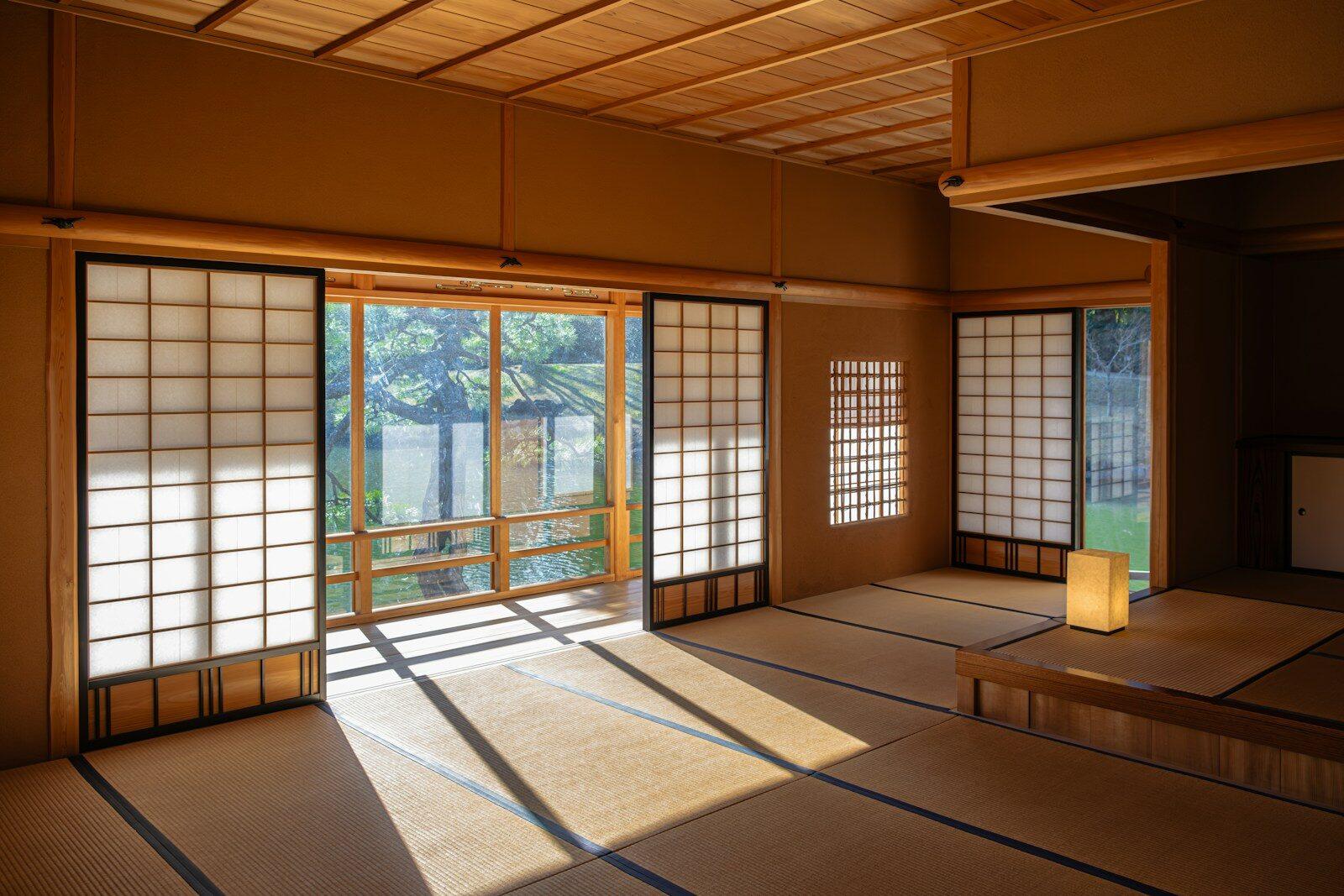
A Muslim friendly ryokan is a traditional Japanese inn that can serve a halal or Muslim-friendly dinner and gives you a private bath, so nobody in the family has to use the shared public baths. They’re still rare, but official tourism sites name a few: a lakeside hot-spring inn 20 minutes from Kyoto, a family-run onsen inn in Miyagi, and two small inns in Tokyo.
Below is what each one says, how we checked it, and what to ask before you book. Ryokan change chefs and menus, so confirm everything in writing.
Checked November 2026
At a glance
- Best all-rounder: Satoyu Mukashibanashi Yuzanso, Ogoto Onsen (Shiga). 🟢 Its halal kaiseki is certified by the Kyoto Halal Association, according to the inn’s own site, and JNTO lists prayer rooms with wudu. Some rooms have their own open-air hot-spring bath.
- Onsen town stay: Ryokan Bentenkaku, Naruko Onsen (Miyagi). Halal meals with 10 days’ notice and private onsen on request.
- In Tokyo: Ryokan Sawanoya (Yanaka) and Nakagawa inn (Ueno), both in Tokyo’s official Muslim guide.
- Halal kaiseki without staying: Honke Tankuma Honten (Kyoto), Ryotei Kinsui at Hotel Chinzanso (Tokyo).
- Ask for: 貸切風呂 (a private bath you reserve) or 露天風呂付き客室 (a room with its own open-air bath).
What makes a ryokan Muslim friendly?
Three things matter, and few ryokan offer all three:
- Food. Ryokan stays usually include a multi-course kaiseki dinner and a Japanese breakfast. JNTO notes that mirin and cooking sake are common in Japanese dishes, and some miso contains alcohol unless it’s labeled 無添加 (additive-free). A Muslim-friendly ryokan replaces those and uses halal meat, or serves fish and vegetables only.
- Bathing. JNTO says public baths are usually separated by gender, and some places have private hot-spring baths you can reserve for your own use. A private bath is the answer if you want to keep modesty within the family.
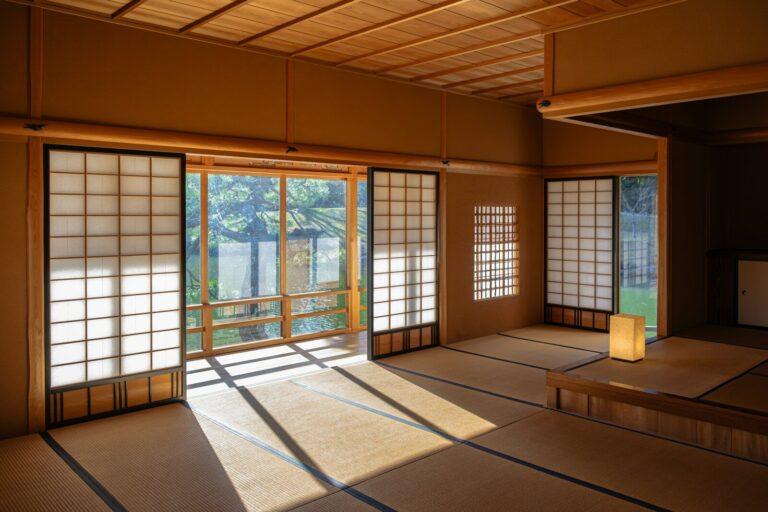
- Prayer. A tatami room makes prayer easy. Some inns add a qibla compass, a prayer mat or a separate prayer room.
JNTO also reminds travelers that there’s no central agency for halal accreditation in Japan. When a ryokan says “halal”, ask who certified the meat and the menu. Whether a halal menu from a kitchen that also cooks other food works for you is a question where schools of thought differ, so we report what each inn says and leave the call to you.
Private onsen: the words to know
- 貸切風呂 (kashikiri-buro): a private bath you book by the hour or slot. Ask how long each slot is and whether it costs extra.
- 露天風呂付き客室 (rotenburo-tsuki kyakushitsu): a guest room with its own open-air bath. The most private option, and usually the most expensive.
- 家族風呂 (kazoku-buro): a family bath, often another name for a private reservable bath.
Book the private bath when you book the room. Popular slots after dinner go fast, and some inns only take bookings at check-in.
Muslim friendly ryokan we could check
Satoyu Mukashibanashi Yuzanso, Ogoto Onsen (Shiga, near Kyoto)
- What official sources say: JNTO’s Muslim travel guide lists Yuzanso as having a Muslim-friendly menu and prayer rooms with wudu facilities.
- Halal status: 🟢 Certified. The inn’s Muslim-friendly menu page (updated January 2026) says its halal menu is certified by the Kyoto Halal Association (京都ハラール協会). It says beef and chicken come only from halal-certified suppliers, the soy sauce, mirin and cooking sake are all non-alcoholic halal alternatives, and halal dishes are cooked with their own knives, boards and pans in a separate area. Dinner and breakfast can both be halal if you book the halal plan at least 5 days ahead. The page doesn’t give the certificate’s dates, so ask to see a current one. The inn also offers local sake to other guests.
- Private bath: the inn’s rooms page lists several room types with their own open-air bath (露天風呂付), such as the Satoyama Suite and the Sanyaso rooms, but not every room has one. Ask specifically for a room with one.
- Where: 1-9-28 Ogoto, Otsu, Shiga, on Lake Biwa. From JR Kyoto Station it’s about 20 minutes on the JR Kosei Line to Ogoto-onsen Station, then about 5 minutes by the inn’s shuttle bus or taxi. Tel 077-578-1144.
- Good for: pairing with Kyoto. Spend the days in the city, using our halal food in Kyoto guide, and the night by the lake.
Ryokan Bentenkaku, Naruko Onsen (Miyagi)
- What the official source says: Miyagi Prefecture’s tourism site (last updated December 2022) says halal meals are available if you reserve at least 10 days ahead, with attention paid to spices, oil and how the meat is prepared.
- Halal status: no certifier is named, so we mark it 🟡 and suggest you ask which meat is used and who certified it.
- Private bath: the same page says you can request a private onsen at the front desk. The listing dates from 2022, so check before you go.
- Where: Kurumayu 87, Naruko-onsen, Osaki, Miyagi, 13 minutes on foot from Naruko-Gotenyu Station on the JR Rikuu East Line. Tel 0229-83-2461.
- Good to know: the 2022 listing says reservations are required and credit cards aren’t accepted, so confirm payment when you book and bring cash.
Ryokan Sawanoya and Nakagawa inn, Tokyo
Both small inns appear in the Stay section of the TOKYO MUSLIM Travelers’ Guide 2026-2027, published on Tokyo’s official tourism site. Ryokan Sawanoya (2-3-11 Yanaka, near Nezu Station, Tel 03-3822-2251) lists “Muslim Friendly” among its features on its own site and is a short walk from Ueno Park. Nakagawa inn (5-3-7 Ueno, near Okachimachi Station) has tatami rooms with futons and is close to Masjid As-Salaam. Neither publishes its bath or meal arrangements in English that we could check, so email them about private baths and food. Neither describes itself as a hot-spring inn, so think of these as a tatami-room stay with easy prayer, not an onsen trip. Our Muslim-friendly hotels in Tokyo guide lists more options near mosques.
Other ryokan you’ll see online
Halal travel sites often list Otaru Kourakuen in Hokkaido, reporting prayer rugs, qibla direction and halal meals with 3 days’ notice, and rooms with private baths. We couldn’t find an official source for those services, and one booking listing says the inn has no on-site dining, so ask directly before you book. The same goes for any ryokan described as “halal” on a booking site without a named certifier.
Where to eat halal kaiseki without staying at a ryokan
If you’d rather sleep in a hotel, you can still have a kaiseki dinner:
- 🟢 Honke Tankuma Honten, Kyoto: its halal courses are certified by the Kyoto Council for Sharia and Halal Affairs, according to its own menu page, and Kyoto City Tourism lists it as Muslim Friendly. Only those courses are halal, and wine and sake are served to other guests. Halal courses cost ¥33,000 to ¥44,000 plus a 15% service charge. Most need booking 2 days ahead, but the halal wagyu and chicken course can be booked on the day. Dinner only.
- 🟡 Ryotei Kinsui, Hotel Chinzanso Tokyo: a halal-friendly kaiseki course, The Akebono, at ¥28,000, with halal-certified Japanese beef and halal-certified tempura flour. Book at least 7 days ahead. The hotel says it isn’t fully halal certified and the course is cooked in the same kitchen with the same utensils as regular menus. Alcohol is served to other diners.
- 🟡 Kochuan at Happo-en, Tokyo: JNTO lists a kaiseki menu using Muslim-friendly seasoning and ingredients, including wagyu. No certifier is named, and alcohol is served to other diners. Sources give different notice periods, from 3 days to two weeks, so book as early as you can and ask for the Muslim-friendly menu. It’s a short walk from Shirokanedai Station.
For what “halal wagyu” really means on a kaiseki menu, see our guide to whether meat in Japan is halal.
Halal Japan Food Survival Kit
Kaiseki menus are long and in Japanese. Our printable kit has phrase cards that ask for no pork, no alcohol and no mirin or cooking sake, plus a decoder for みりん, 酒 and 無添加, so you can check with the chef. Get the kit on Etsy.
What to ask a ryokan before you book
- Can you serve a halal dinner and breakfast? Is the meat halal certified, and by which organization?
- Do you replace mirin, cooking sake and miso that contains alcohol? Can you serve a fish and vegetable menu instead?
- Are halal dishes prepared with separate utensils?
- Do you have a room with its own open-air bath (露天風呂付き客室), or a private bath we can reserve (貸切風呂)? How long are the slots, and is there a charge?
- Can you provide a prayer mat and qibla direction? Is there a prayer room or a place for wudu?
- How many days’ notice do you need, and can you confirm all of this by email?
Send the questions in English with a Japanese line at the top: ムスリムの家族です。ハラール対応のお食事と貸切風呂についてお伺いしたいです。 (We are a Muslim family and would like to ask about halal meals and a private bath.) Our food label words guide covers the kitchen kanji.
Tips for a ryokan stay with kids
- Ask about dinner timing. Kaiseki dinners are long. Ask for an early sitting or a simpler children’s meal made to the same halal rules.
- Futons are toddler-friendly. No beds to fall out of, and tatami is soft for crawling.
- Use the in-room bath for little ones. A room with its own bath means no slot to book, and no hurry.
- Pack your prayer mat. Even inns that offer one may have a single mat for the family.
Questions people ask
Are there halal ryokan in Japan?
A few. Satoyu Mukashibanashi Yuzanso in Shiga says its halal menu is certified by the Kyoto Halal Association, and JNTO lists prayer rooms with wudu there. Miyagi’s official tourism site says Ryokan Bentenkaku serves halal meals with 10 days’ notice, but it doesn’t name a certifier. Confirm the details with each inn before you book.
Can Muslims use onsen in Japan?
Many Muslim families choose a private bath, either a room with its own open-air bath or a reservable private bath (kashikiri-buro). JNTO notes that public baths are usually separated by gender and that some places offer private baths you can book.
Is there a Muslim friendly ryokan near Kyoto?
Yes. Satoyu Mukashibanashi Yuzanso at Ogoto Onsen on Lake Biwa is about 20 minutes by train from Kyoto Station, plus a short shuttle ride. The inn says its halal menu is certified by the Kyoto Halal Association. Some rooms have their own outdoor hot-spring bath, so ask for one when you book.
Is there a Muslim friendly ryokan in Tokyo?
Ryokan Sawanoya in Yanaka and Nakagawa inn in Ueno are both in Tokyo’s official Muslim guide. Neither is a hot-spring inn, and neither publishes meal or bath details in English, so email them first.
Where can I eat halal kaiseki?
Honke Tankuma Honten in Kyoto has halal courses certified by the Kyoto Council for Sharia and Halal Affairs, and Hotel Chinzanso Tokyo serves a halal-friendly kaiseki course with 7 days’ notice. Both serve alcohol to other diners, and Chinzanso’s course shares a kitchen with regular menus, so check what matters to you.
We add Muslim-friendly ryokan as we confirm them and send them to subscribers first. Join the Japan Explorers newsletter.