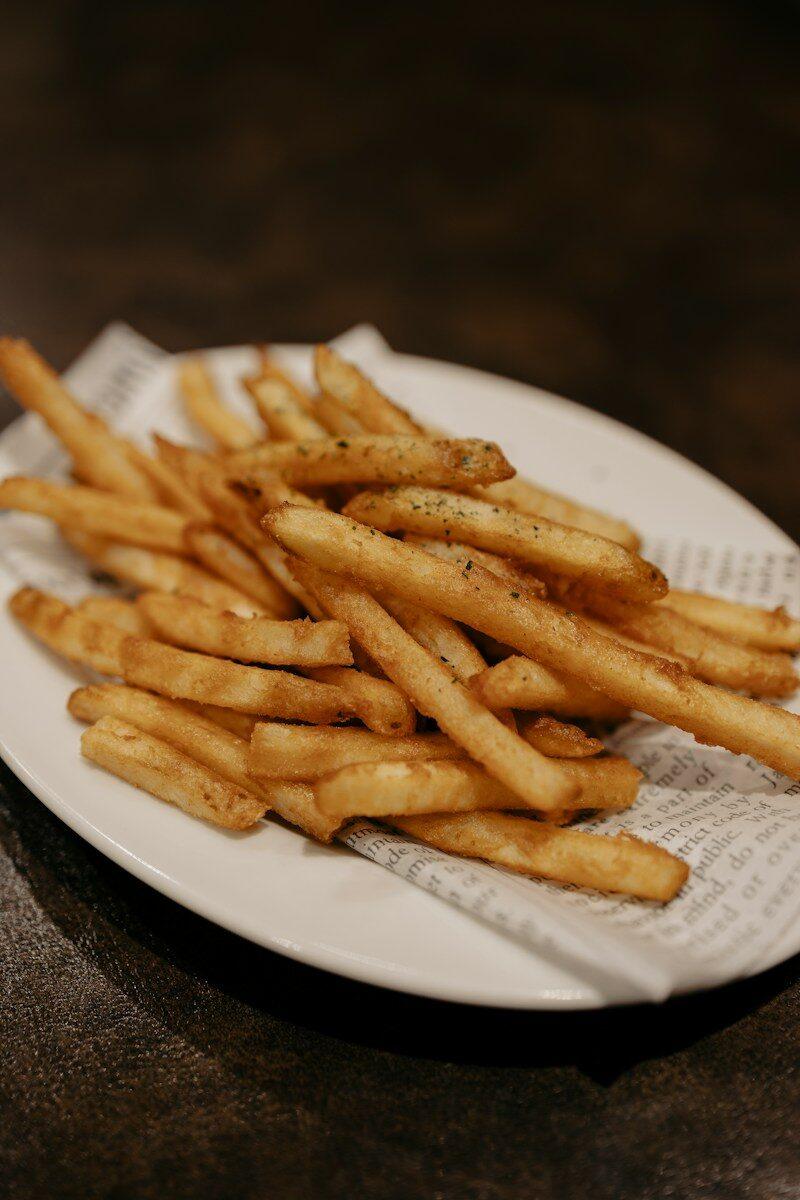
Is McDonald’s halal in Japan? It isn’t halal certified. McDonald’s Japan doesn’t claim halal certification anywhere on its official site, it doesn’t say its meat is halal-slaughtered, and its own FAQ says the frying oil is a blend of beef tallow and palm oil, so even the fries and the Filet-O-Fish are cooked in oil containing non-certified beef fat. KFC Japan doesn’t claim halal certification either.
Below is exactly what each company publishes, item by item, so you can decide what fits your family. We give facts, not rulings.
Checked November 2026
At a glance
- McDonald’s Japan: no halal certification on its official pages.
- Frying oil: beef tallow and palm oil blend, used for fries, hash browns, nuggets and fish.
- Pork: on the menu (sausage muffins, the teriyaki burger’s pork patty), with possible contact in shared kitchens.
- KFC Japan: no halal statement found. Original Chicken uses domestic chicken from KFC-registered farms.
- Halal KFC elsewhere: exists in some countries, such as halal branches in the UK. That doesn’t carry over to Japan.
- Instead: certified halal ramen, kebab and wagyu shops, or konbini food you’ve label-checked.
Is McDonald’s halal in Japan? What McDonald’s Japan says
We read McDonald’s Japan’s customer FAQ on ingredients and the allergen charts on its product pages in November 2026. There’s no mention of halal, religious diets or alcohol. Here’s what it does say.
The frying oil contains beef fat
McDonald’s Japan’s ingredient FAQ says its frying oil is a blend of 牛脂 (beef tallow) and palm oil, and that beef tallow is used in the shortening for frying. McDonald’s Japan doesn’t describe the beef as halal-certified, and this is the point that surprises most visitors: it affects items with no meat in them.
What the allergen charts show
Each product page marks the 28 allergen items with four symbols: used as an ingredient, used in the frying oil, possible contact on shared factory lines or in store cooking, or not used. Pork (豚肉), beef (牛肉), chicken (鶏肉) and gelatin (ゼラチン) are all on the list. This is what the charts showed when we checked:
| Item | Beef | Pork | Other notes |
|---|---|---|---|
| McFry Potato (fries) | In the frying oil | Not used | Soy in the frying oil |
| Hash Potato | In the frying oil | Not used | Soy in the frying oil |
| Filet-O-Fish | In the frying oil | Possible contact | Chicken and gelatin: possible contact |
| Chicken McNuggets | In the frying oil | Not used | Chicken is an ingredient |
| Big Mac | Ingredient (beef patty) | Possible contact | Chicken: possible contact |
| Chocolate pie (三角チョコパイ) | In the frying oil | Possible contact | Gelatin: possible contact |
Menus and recipes change, and McDonald’s Japan asks customers to check allergen information every time they order, through the product page, the app or the QR code on the packaging. So treat this table as a snapshot and check the live chart.
Pork is on the menu
Breakfast sausage muffins and the teriyaki McBurger, which uses a pork patty, are regular menu items. McDonald’s says shared factory lines or in-store cooking mean contact is possible, which is why pork shows up as “possible contact” even on beef and fish items.
Is KFC halal in Japan?
We found no halal claim from KFC Japan. Its official site and FAQ don’t mention halal certification. Here’s what it does publish:
- Chicken source: KFC Japan says the Original Chicken uses domestic herb-fed chicken raised on KFC-registered farms, and its origin chart lists Japan for both processing and the chicken.
- Imported chicken: in July 2023 KFC Japan started using Thai chicken for some products, such as Red Hot Chicken at some stores, while keeping Original Chicken all domestic.
- Allergens: KFC Japan publishes allergy and origin information as a menu PDF on its product pages. We couldn’t read the full chart, so check it in the app or ask in the store.
Nothing in KFC Japan’s published information says the chicken is halal-slaughtered. KFC does run halal-certified branches in some other countries, such as a mix of halal and non-halal restaurants in the UK, but that’s market by market and doesn’t apply in Japan.
Why isn’t meat in Japan halal unless it’s certified?
Japan doesn’t have a central halal agency, and ordinary meat isn’t processed under halal rules. Halal meat is a separate certified supply, and JNTO notes that the average supermarket doesn’t stock halal products. So unless a restaurant or product shows certification, assume the chicken or beef wasn’t halal-slaughtered.
How families handle that varies. Some eat only certified meat. Some avoid pork and alcohol but eat other meat in a non-Muslim country. Scholars differ on this, so we give the facts and leave the decision with you.
What are the safer options at McDonald’s and KFC in Japan?
Based only on the companies’ own information:
- If you need halal-certified meat: no meat item at McDonald’s or KFC Japan qualifies, based on what they publish.
- If you avoid pork but eat non-certified meat: McDonald’s allergen charts show which items list pork as an ingredient and which only mark possible contact. Check the live chart before ordering.
- If you avoid all non-halal animal fat: the fries, hash browns and fried items are cooked in oil containing beef tallow, according to McDonald’s Japan.
- Drinks: bottled water, tea and juice are the simplest choice. Check the label on anything else.
If the kids need a break, a McDonald’s can still work for a bottled drink and a rest, then you eat at a certified place nearby.
Where to eat halal fast food in Japan instead
- Ramen: Ayam-ya near Ueno, which Taito City’s November 2026 halal map lists as halal certified (no certifier named, so ask to see the certificate), and 🟡 Muslim-friendly Honolu in Tokyo and Osaka. See our halal ramen Tokyo guide.
- Wagyu ramen: Shinjuku-tei has several Tokyo branches, and halal status differs by branch. See our Tokyo guide for each one, and our Osaka guide for Osaka options.
- Airports: Haneda Terminal 3 has a kebab take-out stand (けばぶ工房) and 🟡 Honolu Premier Air Haneda, both on the airport’s halal-menu list, on 4F before security. See our airport guide.
- Konbini: plain onigiri and snacks you’ve label-checked. Our Japanese label words list shows what to look for.
Halal Japan Food Survival Kit
Fast-food menus in Japan list allergens in Japanese. Our printable kit decodes 牛脂, 豚肉 and ゼラチン, and includes phrase cards to ask staff about frying oil and ingredients. Get the kit on Etsy.
Questions people ask
Is McDonald’s halal in Japan?
It isn’t halal certified. McDonald’s Japan doesn’t claim halal certification or halal-slaughtered meat, and its frying oil is a blend of beef tallow and palm oil, according to its own FAQ.
Are McDonald’s fries halal in Japan?
McDonald’s Japan says its fries are cooked in oil that blends beef tallow and palm oil, and its allergen chart marks beef in the frying oil. McDonald’s doesn’t describe that beef as halal-certified. Whether that’s acceptable is a question where views differ.
Is the Filet-O-Fish halal in Japan?
It isn’t certified. McDonald’s Japan’s chart shows beef in the frying oil and possible contact with pork, chicken and gelatin on shared lines or in store cooking.
Is KFC halal in Japan?
We found no halal claim from KFC Japan. It says Original Chicken uses domestic chicken from KFC-registered farms, with nothing about halal slaughter.
Is any fast-food chain halal in Japan?
We haven’t come across a major international burger or fried-chicken chain with halal-certified branches in Japan, though we haven’t checked every chain. For halal fast food, look for certified ramen, kebab and wagyu shops instead.
We check chain menus and label changes every few months and share them with subscribers. Join the Japan Explorers newsletter.